
Recently Business Agility Institute published the new 2025 Business Agility Report and based on the data agile is far from being dead. Quite the opposite – business agility is a good investment. Organizations that increased their business agility in 2025 significantly outperformed their peers in revenue growth. On average, companies with rising agility achieved up to 10.3% revenue growth, compared to 5.1% across all organizations, while those with decreasing business agility lagged behind at just 3.5%.
The data clearly shows that investing in business agility is not only a cultural or operational choice—but a direct driver of measurable business results.
The top challenges to business agility are not about processes or frameworks—they are deeply cultural and systemic. The highest negative impact comes from outdated leadership capabilities, fixed mindsets, and a lack of clear transformation direction, often compounded by transformations that are too limited in scope to create real change. At a moderate level, organizations struggle with resistance to change, unsuitable ways of working, misalignment across leaders and business areas, low decision autonomy, and talent or skill gaps, all intensified by ongoing market disruption. Lower-impact issues, such as poor prioritization and excess WIP, are typically symptoms of these deeper systemic problems rather than root causes.
It’s never too late to start taking Business Agility as a strategic capability. To tackle some weak areas, join our agile leadership program and get my book Agile Leader: Leveraging the Power of Influence.
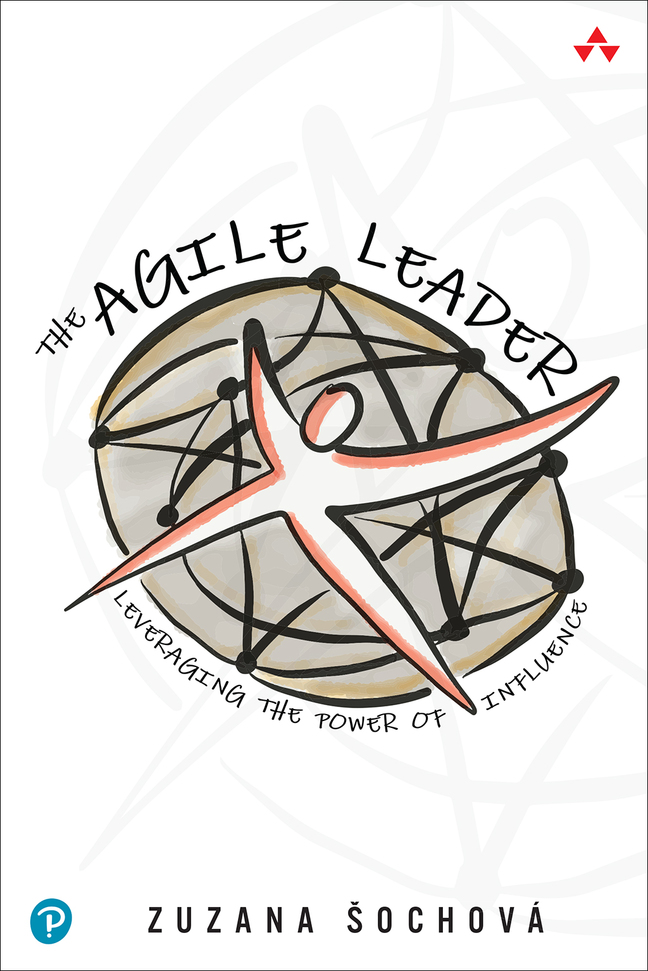
 Learn more about transforming organizations, leadership, and culture with Agile & Enterprise Coaching. Check our Scrum and Agile training sessions on Sochova.com. Grab a copy of The Great ScrumMaster: #ScrumMasterWay book and The Agile Leader: Leveraging the Power of Influence book.
Disclaimer: All I write on this blog is purely personal and has no relation with any position I have, used to have or will have in the future.